
Photo of Lewis Stevens

Lewis Stevens

Evolutionary biology · Genomics · Bioinformatics

About

I am an evolutionary biologist with over a decade of experience using state-of-the-art genomics and novel bioinformatic approaches to understand how animal genomes evolve. I use nematodes as my primary study system, combining large-scale comparative and population genomics across both free-living and parasitic species.

Research

My research aims to uncover fundamental principles of genome evolution, with a particular focus on extreme genetic diversity, host–parasite interactions, and unusual genome biology.

Parasitic nematode genomics

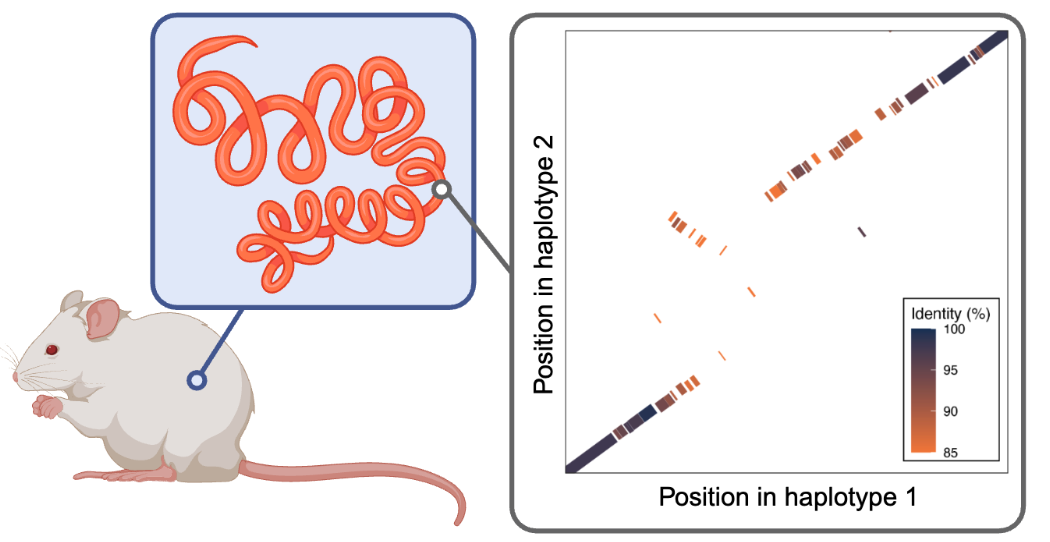
Hyperdiversity in parasitic nematodes

Parasitic nematodes infect billions of humans and animals worldwide and are a major cause of chronic disease, food insecurity, and economic loss. Despite their impact, we know surprisingly little about how genetic variation within parasite populations shapes infection, immune evasion, and responses to control.

Using single-parasite genomics enabled by low-input long-read sequencing, I study the origins and consequences of extreme genetic diversity in these worms. My work has revealed that individuals of the same species can differ profoundly in genome content, particularly in genes involved in host interaction. By investigating how this parasite “hyperdiversity” is generated, maintained, and deployed during infection, I aim to assess how genomic diversity influences the success of drugs and vaccines.
Programmed DNA elimination

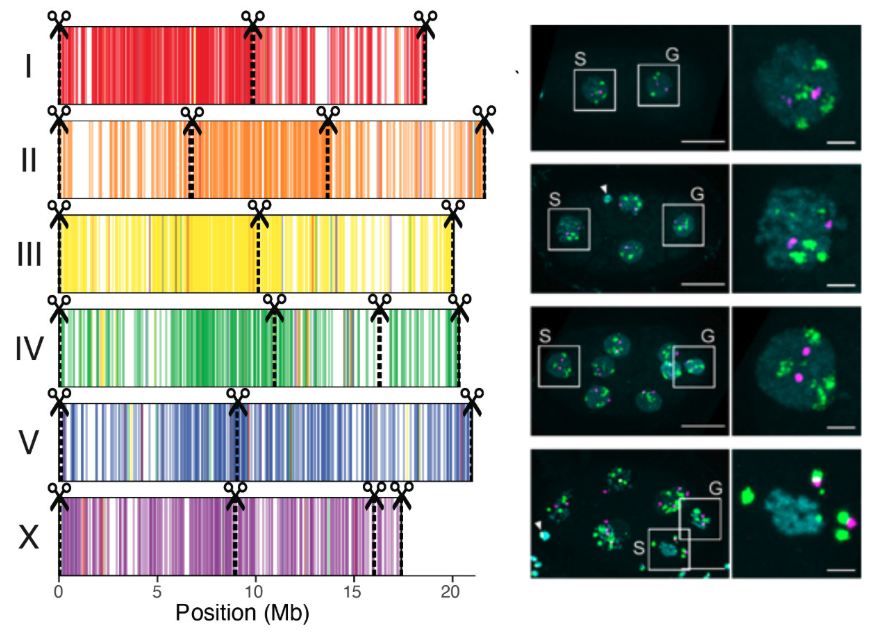
The evolution of programmed DNA elimination

Programmed DNA elimination (PDE) is a striking process in which some organisms reproducibly remove specific regions of their genomes from somatic cells during early development, generating distinct germline and somatic genomes.

Although first described over a century ago, PDE was long considered a rare and taxonomically restricted curiosity. My work has shown that PDE is far more widespread than previously appreciated, and was even present in the ancestors of the model organism Caenorhabditis elegans.

Drawing on genome sequences from over a hundred free-living nematode species, I investigate how this remarkable process has evolved, how it operates mechanistically, and why these species delete large portions of their genome during early development.

Highlighted publications

For an up-to-date list of publications, please see my Google Scholar . Selected highlights are listed below.

Contact